
Deciding
Should you add on or buy a bigger house in Utah County?
Published September 19, 2026
You love the street, the schools, and the neighbors. You are just out of room. So you keep flipping between two tabs: add on, or sell and buy bigger. Both feel expensive, and both feel like a gamble. Here is the honest way to think it through, including the costs of moving that never make it into the spreadsheet.
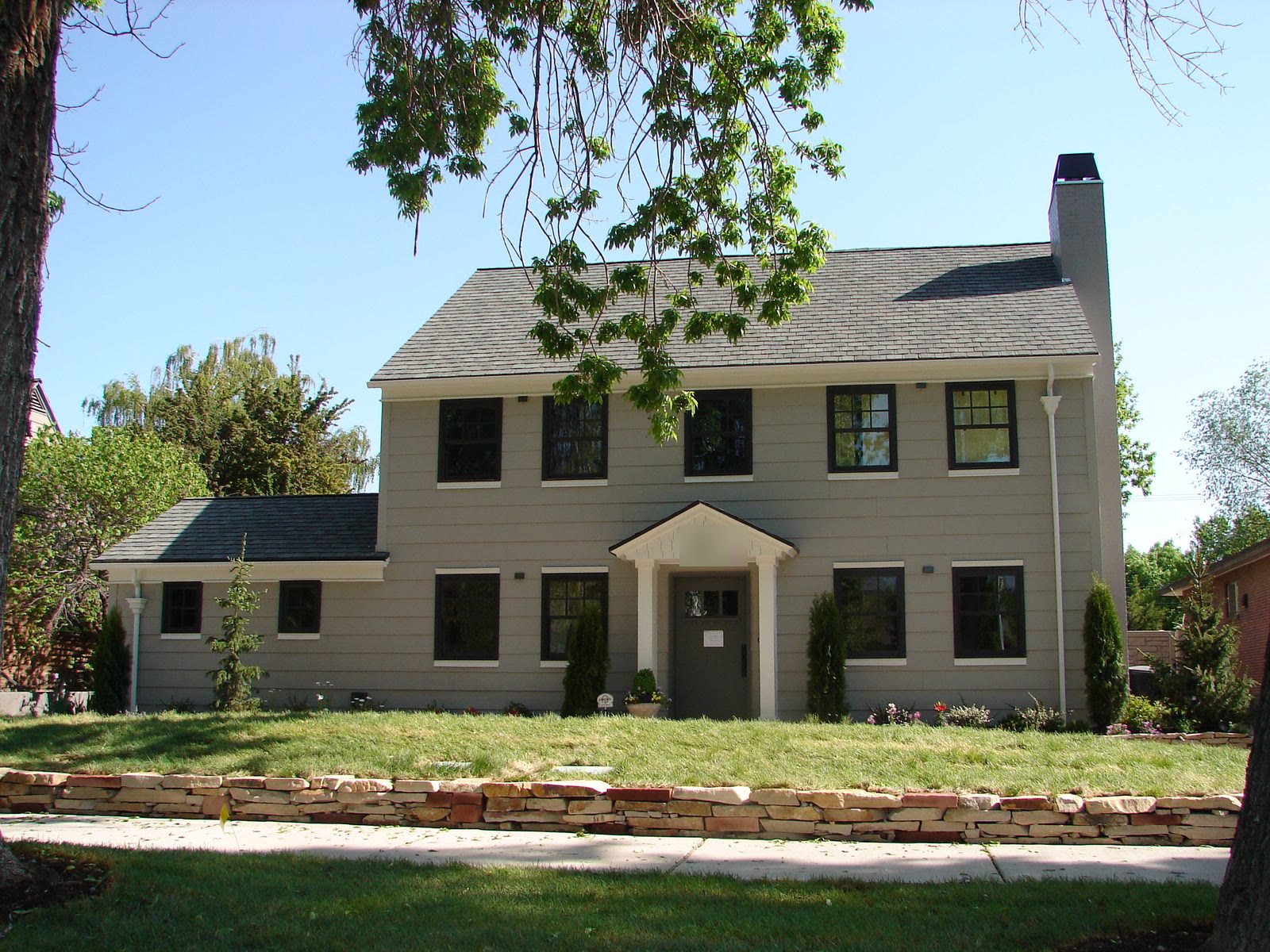
The costs of moving that never make the spreadsheet
When people compare adding on to moving, they line up the price of the addition against the price of a bigger house, and adding on often looks like the loser. That comparison is missing half the picture, because moving is not free. It just charges you in ways that are easy to forget.
Selling costs real money: an agent commission on the sale, closing costs on both ends, and the moving itself. Then there is the part that hurts quietly. If you bought or refinanced when rates were low, the bigger house comes with today's rate on a larger balance, and that shows up in every payment for years. On top of that, the bigger house in a neighborhood you actually want usually costs more per foot than adding the same space to the home you own. Add it all up and the gap between the two options is a lot smaller than the sticker prices suggest.
When adding on is the smart money
Adding on tends to win when three things are true. You love where you live, so the location is worth keeping. The problem is a specific shortage you can name, like one missing bedroom or no real primary suite, which an addition fixes cleanly. And the comps on your street support the bigger house, so you are not overbuilding for the block.
When those line up, adding on lets you keep the mortgage, the neighbors, the schools, and the trees, and spend your money fixing the one thing that was wrong instead of buying a whole new set of problems. For most families who genuinely like their neighborhood, that is the answer.
When moving is the smart money
Moving wins when the house or the lot simply cannot become what you need. If the lot is too tight to build out and the structure will not take a second story, there may be no room to add. If the space you want would push the home far above everything around it, you would overbuild the block and never see that money again. And if what you really want is a different area, a different commute, or a fundamentally different house, no addition fixes that. Wanting a fresh start is a real reason, and it is honest to name it.
The part that is not about money
There is a side of this decision no spreadsheet captures. Adding on means living through a build, and for a stretch your home is also a job site. Moving means a clean house on day one, but it also means leaving a place your family knows. Both have a cost that is felt, not counted. It is worth being honest with yourself about which one you can actually live with, because the numbers are only half the choice.
How to actually decide
Do not compare a guess to a guess. Get the addition priced for real, line by line, so you know what your house would cost to grow. See our guide on what a home addition costs in Utah County for how that number gets built. Then add up the true cost of moving, including the commission, the closing, the higher price, and the rate you would give up. Put the two real numbers side by side, weigh the location you would keep or lose, and the answer usually gets obvious. If adding on is the direction, our home additions page walks through the options.
Questions
Adding on versus moving
Is it cheaper to add on or buy a bigger house?
Will I get my money back if I add on?
What are the hidden costs of moving?
How do I decide between adding on and moving?
Not sure whether to add on or move?
Tell us your house and what you are short on. We will price what it would take to add the space, so you can weigh it against moving with real numbers instead of guesses.