
Home / Blog / Renovating older homes
Renovating older homes
Renovating an older Utah home: why the plan always changes
Published June 19, 2026
Every remodel plan meets a wall it did not expect. On his own Provo home, Danny Bird sent back a whole floor and turned a set of mistakes into his favorite feature. Here is why the plan always changes, and why that is not a bad thing.
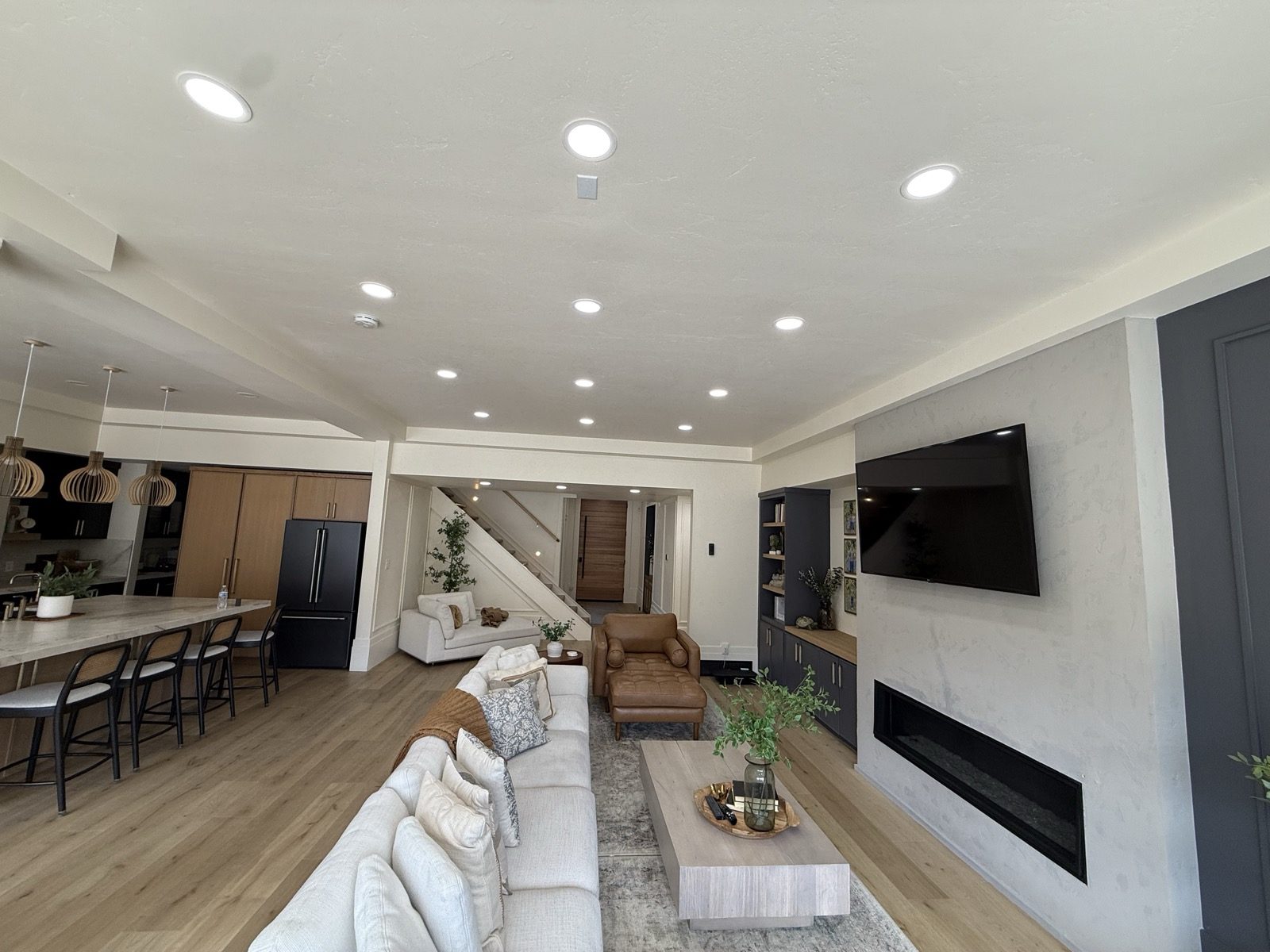
Older homes keep secrets
Most homes people remodel in Utah County are not new. They were built in the 70s, 80s, or 90s, and they have been lived in, patched, and added onto for decades. That history is hidden behind the drywall until the day you open it up. A framing member is off, a wall is not where the plan says, an old wire runs somewhere it should not. None of that shows up on paper. All of it shows up on the job.
So the plan is a starting point, not a promise. The measure of a remodel is not whether surprises happen. They always do. It is how well the builder adapts when they show up.
The floor that did not match
Here is a real one from Danny's own Provo home in the river bottoms. He picked a floor in the showroom, approved the sample, and ordered it. When the actual lot arrived, it did not match the sample he had signed off on. Flooring is made in batches, and a new lot can come in a different shade or grain than the piece on the showroom wall.
He had a choice: install a floor that was not quite right and see it every day for twenty years, or eat the cost and start over. He paid a restocking fee of about 5 thousand dollars to send the whole lot back. That is a hard check to write. But a floor is the one thing you look at in every room, and living with wrong is a lot more expensive over time than the fee to make it right.
When a mistake becomes the best part
Not every surprise costs you. Some of them make the house better, if you stay creative. In the same kitchen, the old layout left outlet holes in a brand-new stone slab, a Taj Mahal quartzite that ran about 4 thousand dollars. Old wiring, new stone, holes in the wrong spots. On most jobs that slab gets scrapped.
Instead, Danny turned the holes into small pendant lights. What started as a mistake became one of his favorite features in the whole kitchen, the kind of detail guests ask about. That only happens if the builder treats a problem as a puzzle instead of a disaster. The stone stayed, the money was saved, and the room got better than the original plan.
The honest expectation to set
Danny says it straight, and it is worth hearing before you start: "If you need zero errors, we're not a good fit. Renovations are hard, you have to adapt and be creative." That is not a builder making excuses. It is a builder telling you the truth about what a renovation actually is before you are in the middle of one.
A remodel is not a factory line. It is a series of decisions made as an old house reveals itself. The builders who are good at it are not the ones who promise nothing will go sideways. They are the ones who catch the problem early, bring you two or three ways out, and keep moving toward a result you love. The goal is not a plan that never changes. The goal is a home you are thrilled with, arrived at by staying flexible.
How to protect yourself from the chaos
You cannot remove surprises from an older home, but you can set the project up to handle them well. Plan carefully before demolition, keep a real cushion in the budget for the unknown, and pick a builder who has done enough older homes to know what usually hides in them. That is the everyday reality of a good whole-home remodel.
It is also why the same-team model matters. In design-build, the people drawing the work are the people building it, so when the house pushes back, the fix is worked out by one team instead of bounced between an architect and a contractor. And honest cost estimating with a real contingency line means a 5 thousand dollar surprise is something you planned for, not something that blows up the whole job.
Questions
When a remodel goes off script
Why does a remodel never go exactly to plan?
What do you do when materials arrive wrong?
Can a mistake turn into a good feature?
What should I expect from my builder during surprises?
Planning a remodel on an older Utah home?
Tell us about your house. We will walk in with our eyes open, plan for the surprises, and put a real number in writing.