
Deciding
Second story or build out? How to add space in Utah County
Published September 17, 2026
Once you decide to add on, the very next fork is up or out. Most people walk in sure that one is obviously cheaper or simpler, and they are usually half right. Here is what actually separates a second story from building out, and how your own lot tends to make the call for you.
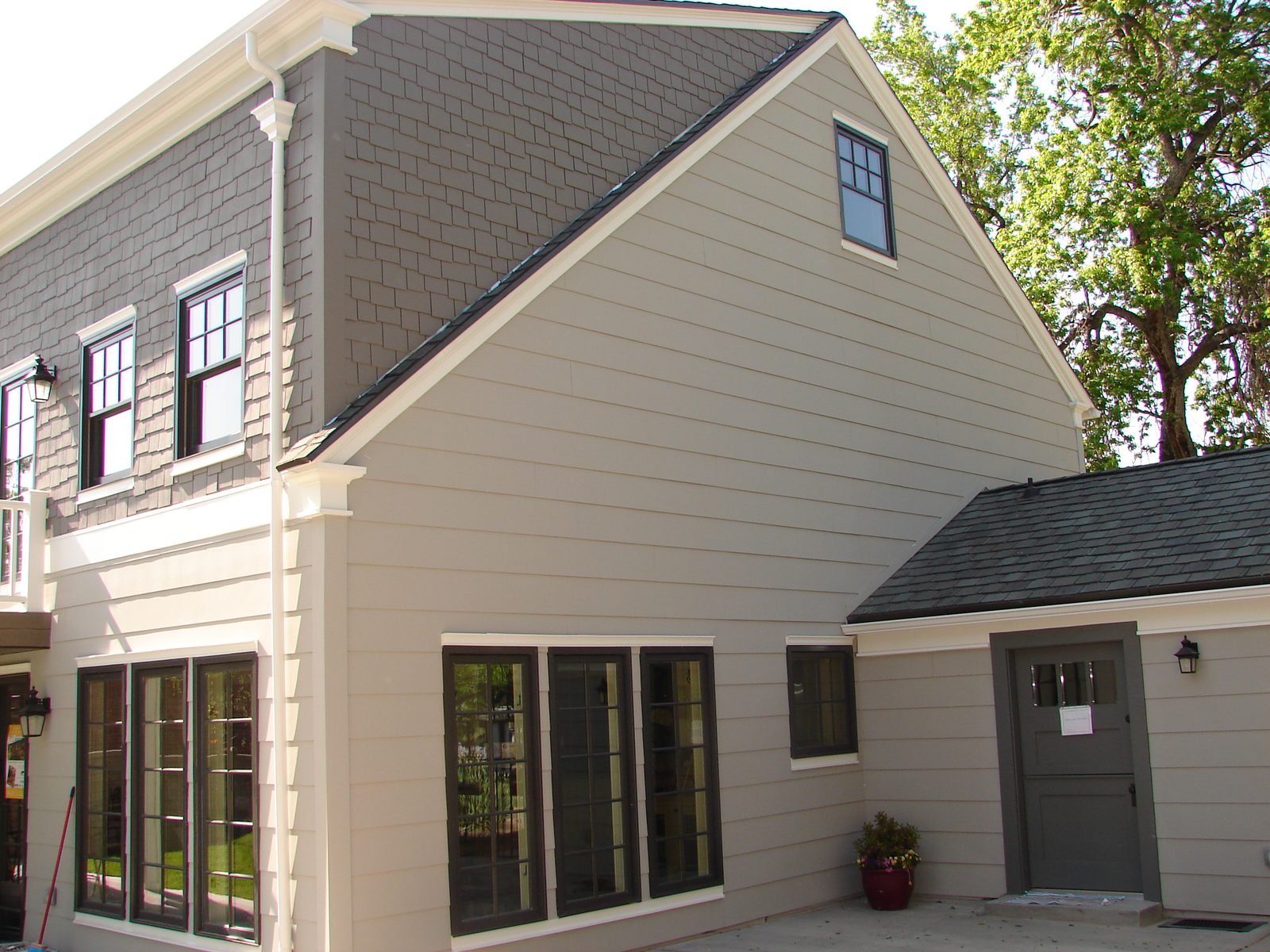
What building out really costs
Building out means pushing into the yard, and the price of that is new foundation. You are pouring footings that reach below frost, roughly 30 inches here, plus the concrete and the floor above it, before any wall goes up. You also give up part of your yard for good.
The upside is that building out is the easier one to live through. The new room is its own sealed space, separate from your daily life, right up until the very end when we open the wall between the old house and the new. For a family that has to keep living in the home, that matters more than people expect.
What going up really costs
Building up skips most of the new foundation, which is why it often pencils out cheaper than it sounds. But it trades that savings for three other things. The walls and footings under the addition now carry a whole new floor, so an engineer checks whether they can, and sometimes they have to be reinforced. The existing roof usually has to come off or be opened, which is the disruptive part. And a second story runs straight into the city height limit, and sometimes into a neighbor who liked their view.
Going up is not automatically cheaper, and it is not automatically harder. On a full lot with a sound structure below, it is frequently the smart money. On a house that would need heavy reinforcement to carry it, the savings shrink fast.
Your lot usually decides for you
Here is the part that quietly settles most of these debates: the lot. Every city sets how close you can build to each property line, and how much of your lot can sit under roof. On a tight lot, the side-yard setback often makes building out impossible, and the lot-coverage cap finishes the argument. When there is no room to spread out, up is not a preference, it is the only space you have. We check both numbers against your actual lot before anyone draws a thing, so the design starts inside what can be built.
Living through each one
If staying in the house through the project matters to you, this is a real tiebreaker. Building out lets you live an almost normal life until the final connection. Going up means the roof is open for a stretch and the noise is over your head, not off to the side. Neither is a dealbreaker, but you should know which one you are choosing, and plan for it, instead of finding out in week three.
Which pays back, and how to choose
Both can pay back well when they fix a real shortage, like a primary suite or a missing bedroom. Neither pays back if it overbuilds the block. The value question is about what you add, not whether you went up or out. For more on that, see room additions that actually pay you back.
The clean way to decide is to let a builder walk your house and lot, price both paths at a high level, and tell you which one your home actually wants. Often the lot has already decided, and the walkthrough just confirms it. Our home additions page covers the types, and if cost is the sticking point, start with what a home addition costs.
Questions
Second story versus building out
Is a second story cheaper than building out?
Can my house support a second story?
Which is less disruptive to live through, building up or out?
What decides whether I can build out instead of up?
Not sure whether to go up or out?
Tell us your house and your lot. We will check your setbacks and coverage, look at the structure, and tell you which way your home actually wants to grow, with a real number for each.