Home / Service areas / American Fork
Service area · American Fork, UT
American Fork has been a town since 1850. That means it has houses from nearly every decade since. Working here well is mostly about knowing which era you just opened up. Blackbird draws the plans and builds the job, out of Provo. Danny Bird has been building since 2001.
The local picture
Settlers arrived in 1850, and the town became a city in 1853. The blocks near the original center still show it. There is a National Register historic district of homes built roughly between 1868 and 1940. Old business buildings still stand on Main Street.
Move outward and the dates jump. First the post-war blocks. Then the eighties and nineties. Then subdivisions that are barely broken in. A contractor who only knows one of those will get surprised by the others.
Here is what that means in practice. In the old core, the work is remodels and structural additions. It is also updating wiring, plumbing and heating without erasing what makes the street worth living on. On the newer edges, it is basements, back yards, and new homes on the last open lots.
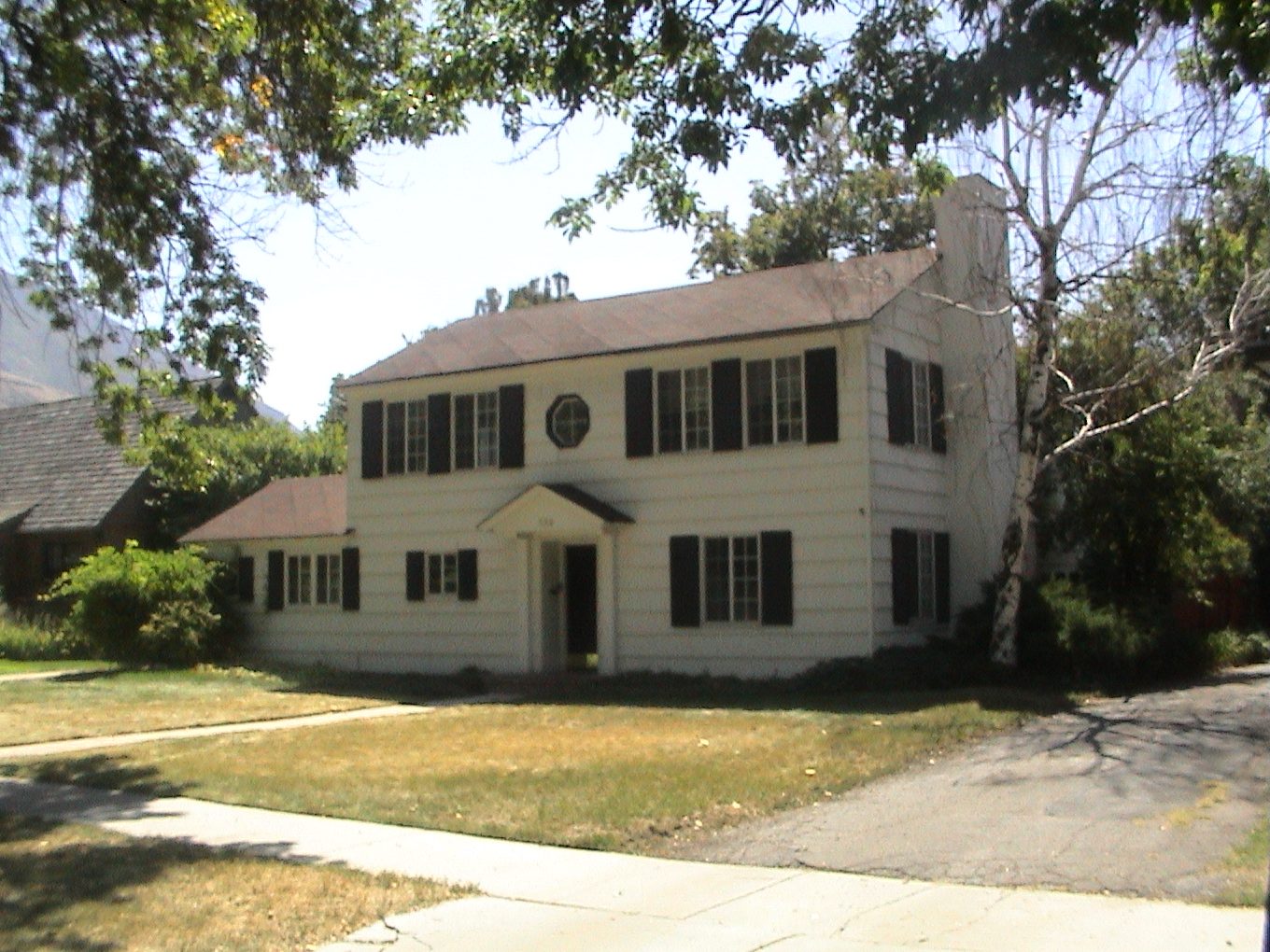
Before, on a finished Blackbird renovation in Provo. We have no completed project photos from American Fork to show yet.
Older housing stock
None of this is a reason not to buy one. It is a reason to price one honestly.
Homes from that era were built on footings that predate everything in today's code. Add a second story. Open a bearing wall. Hang an addition off the original house. Any of those usually needs a new footing, or new support under the old one. That has to be in the budget from day one.
Wiring, plumbing and heating in a house this old are rarely one system. They are four or five decades of partial fixes stacked on each other. So the work list we write before anything is opened has to say plainly what we assumed, and what gets priced once we can see inside.
In the historic blocks, part of your home's value is the block itself. Roof lines, porch depth and window shape carry that. An addition that ignores them lowers the very thing you were trying to raise.
Older American Fork basements are often shallow and unheated. They drain by whatever the original grading happened to do. Making one usable is a water problem first and a finish problem second.
Site conditions
The high ground on the east side sits on rock and gravel. The canyon washed it down, and ancient Lake Bonneville reworked it. Coarse gravel and cobble drain beautifully. They also dig expensively. Digging and trenching cost more per foot through rock than through silt. On a full basement, that gap is real money.
The Wasatch fault zone runs along the base of the range through this stretch of the valley. There is a study site named for American Fork on the Provo segment, where geologists read past earthquakes in the soil layers. They call that paleoseismic work. Near the mountain front, get a geotechnical report before you design a foundation. That is a soil and rock study by an engineer. It is a normal expense here.
The south end of the city runs down to the lake. On low ground near open water, groundwater rises close to the surface in wet months. That one thing decides whether a basement is simple or turns into a pumping and waterproofing job.
The Utah Geological Survey publishes a free public map of geologic hazards. Anyone can check an address against mapped fault, landslide and liquefaction data. Do it before you make an offer on a lot. It takes a few minutes.
Everything Blackbird does
The same ten services, whether your house was framed in 1910 or 2019.
We work out what the job takes, and whether it can be done, before anyone draws it. On an older American Fork house, this is where you learn what the addition really needs.
A line by line budget you can act on. It includes a fair allowance for what an older house tends to hide.
This role is called an owner's representative. We check another builder's bid, contract, work and bills for you. No hammers, just someone technical in your corner.
Design and building under one contract. That keeps the budget honest while the drawings can still change.
New homes on open lots in town and on the larger parcels up toward the bench.
Offices and shops fitted out, remodeled and expanded, along Main Street and the newer business frontage.
Townhomes, condos and apartments, as American Fork keeps adding homes per acre.
Whole-home remodels, structural changes and additions. This is the signature project of an older town.
Finishing basements in newer American Fork homes, and rebuilding the low, damp ones under older houses.
Porches, covered patios, decks and outside work. All of it suited to the age of the house it is attached to.
Commercial property in American Fork?
Are you fitting out a space you rent out? Building from the ground up? Fixing up a building you own? The timeline and the permit path are different. We keep all of that on its own page.
Commercial contractor in American ForkQuestions
Nearby
American Fork sits in the middle of the north county cluster. Everything here is close.
An old house you want to keep, a new one you want to build, or a building you need working again. The first talk is free, and it is with Danny.
Or call or text (385) 334-5658