Home / Service areas / Eagle Mountain
Construction · Eagle Mountain, UT
Eagle Mountain barely existed in 2000, and it has more than fifty square miles of land. Almost everything here is new. That changes what an owner actually needs from a builder. Danny Bird has been building since 2001.
The local picture
Eagle Mountain incorporated on December 3, 1996. The 2000 census counted 2,157 residents. The 2020 census counted 43,623, and the 2025 estimate is 66,557. There is no other city in the county with that growth curve.
The city also covers a lot of ground, roughly 50.43 square miles. That spreads across The Ranches in the northeast and City Center in the southwest. It also takes in White Hills, annexed in 2011, and Silverlake. Pony Express Parkway, Eagle Mountain Boulevard, and Mountain Lake Road tie it together. Two addresses in Eagle Mountain can be a long way apart.
For a builder, a young city means the work is different. Very little of it is structural repair on a tired house. Most of it is finishing space that was left unfinished. Or adding on to a house that was built to a budget. Or replacing finishes a developer picked. Or building outdoor space on a lot that was handed over bare.
Permits and utilities
Eagle Mountain publishes more about its own process than most of its neighbors. That makes it easier to plan around.
The Building Department issues permits through an OpenGov portal. The city states in public that basement finishing permits get a 14 business day plan review. Most Utah County cities do not say that much.
Inspection requests go in by email. Requests submitted before 9 in the morning are processed the same business day, later ones the next. That is a schedule you can actually build against.
Eagle Mountain owned its electric and gas utilities from 1996 on. In 2014 residents approved a sale by referendum, 73 percent in favor. Gas went to Questar Gas. Electric went to Rocky Mountain Power, which serves the city today.
Culinary water is the treated water you drink. Here it comes from city owned wells plus wholesale water from the Central Utah Water Conservancy District. It is held in eight storage tanks that total over 13 million gallons. A new Upper White Hills tank is planned at four million gallons.
Water
This is the single most useful thing to understand about building here, and it is the opposite of what most of Utah County does.
The city's own Water Conservation and Management Plan states that all home and business irrigation currently uses the culinary supply, which is the treated drinking water. The separate pressurized irrigation system serves only some public spaces.
A Spanish Fork or Mapleton homeowner waters off a second, untreated line. An Eagle Mountain homeowner waters off the same supply they drink. So plant choice, lawn size, and sprinkler design carry real long term cost here.
City Code Chapter 15.10 lets the city require a subdivision to connect to the secondary pressurized irrigation system. That applies where the master plan calls for it and the lines are expected within three years. The minimum main is six inches.
Treated process water from the Meta data center has been reused to water Cory Wride Park. The clear trend here is toward using less drinking water outdoors. It is worth designing for that now.
What we get called for
Blackbird does homes and business space. We start at the first budget talk and stay to the last walkthrough.
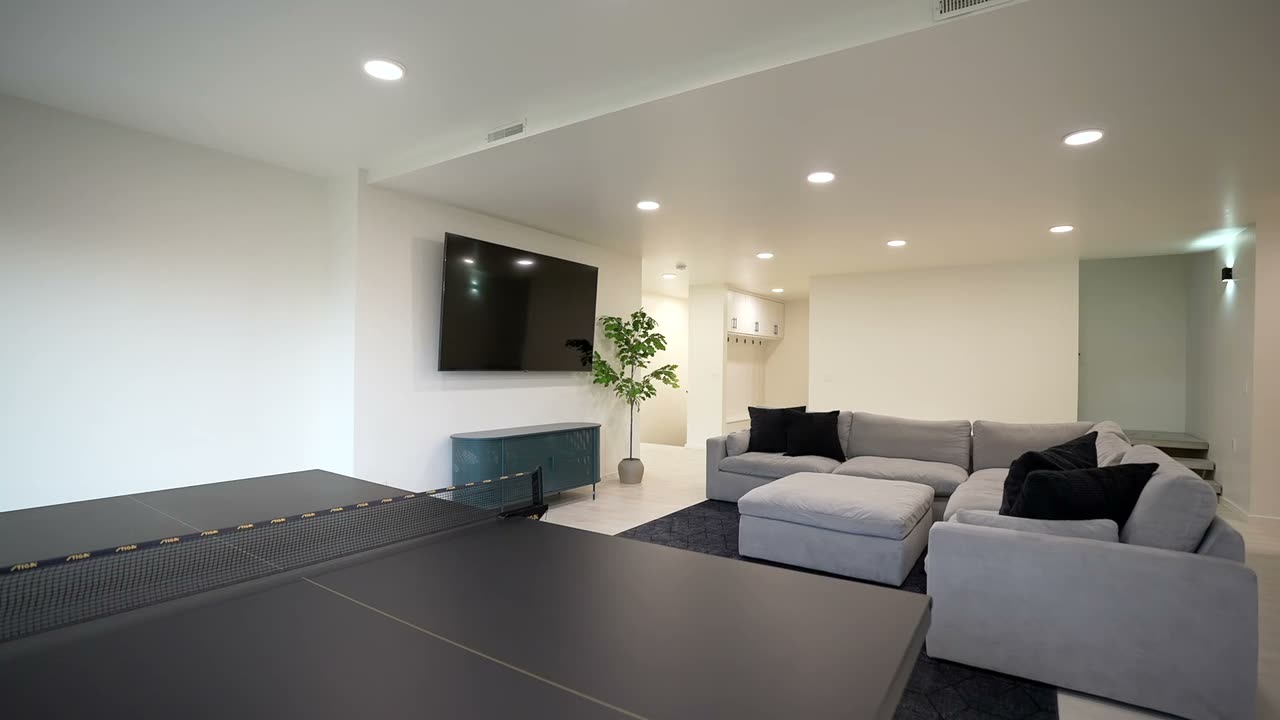
The most common project in a young city full of houses sold with unfinished lower levels. Bedrooms, baths, kitchens, theaters, and gyms in space you already own and already pay for.
Houses built fast to a developer's budget usually need more space, not repair. Additions on newer framing are cleaner work than on an old house, and they should be priced that way.
A lot of Eagle Mountain back yards were handed over as dirt. Covered patios, outdoor kitchens, hardscape, grading, and drainage, designed with the water situation in mind.
The job base here is real. New space, remodels, and add-ons for the shops, offices, and service businesses that follow the industrial growth.
Townhomes and apartments. We price in the Chapter 15.10 rule on connecting to secondary irrigation from the start, rather than find it at plat.
Already holding plans and bids? Danny can check them for you as an outside third party. No hammers, just someone reading the numbers on your behalf.
Every service, in Eagle Mountain
Blackbird sorts ten services into plan, build, and improve. In a city this new, most owners land in the improve group first. Then they find they want the planning services on the next project.
We check whether the job can work. We settle what is included. Then we plan it, before anyone draws it.
A line by line budget for Eagle Mountain labor, materials, and site work. You get it before you commit to anything.
Someone on your side who checks the builder's work and your bills. We read the plans and the bids too. No hammers, just your side of the table.
We draw the plans and build it too. Design, budget, permits, engineering, and building all sit under one contract. One place to call, and one place to point.
New custom homes on Eagle Mountain lots. We price the house against the real site before the drawings are done.
New space, remodels, and add-ons for Eagle Mountain businesses and building owners.
Apartments, townhomes, and condos. We start with the first look at whether the numbers work, and finish at the certificate of occupancy.
Whole house remodels, additions, and structural changes. Most homes here went up during Eagle Mountain's growth years. They are young enough that the work is upgrades, not repairs.
Bedrooms, baths, kitchens, theaters, and gyms in space you already own.
Covered patios, porches, decks, and outdoor kitchens. We do the grading and drainage that make a yard work.
Recent work
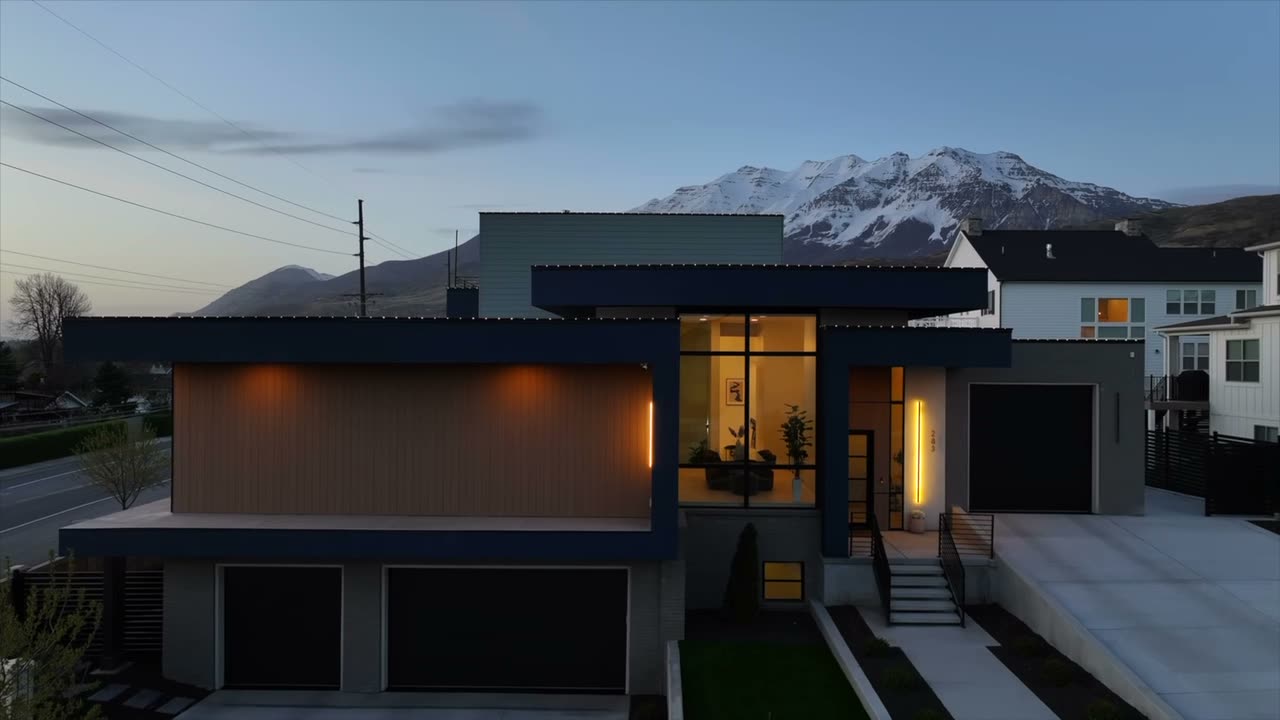
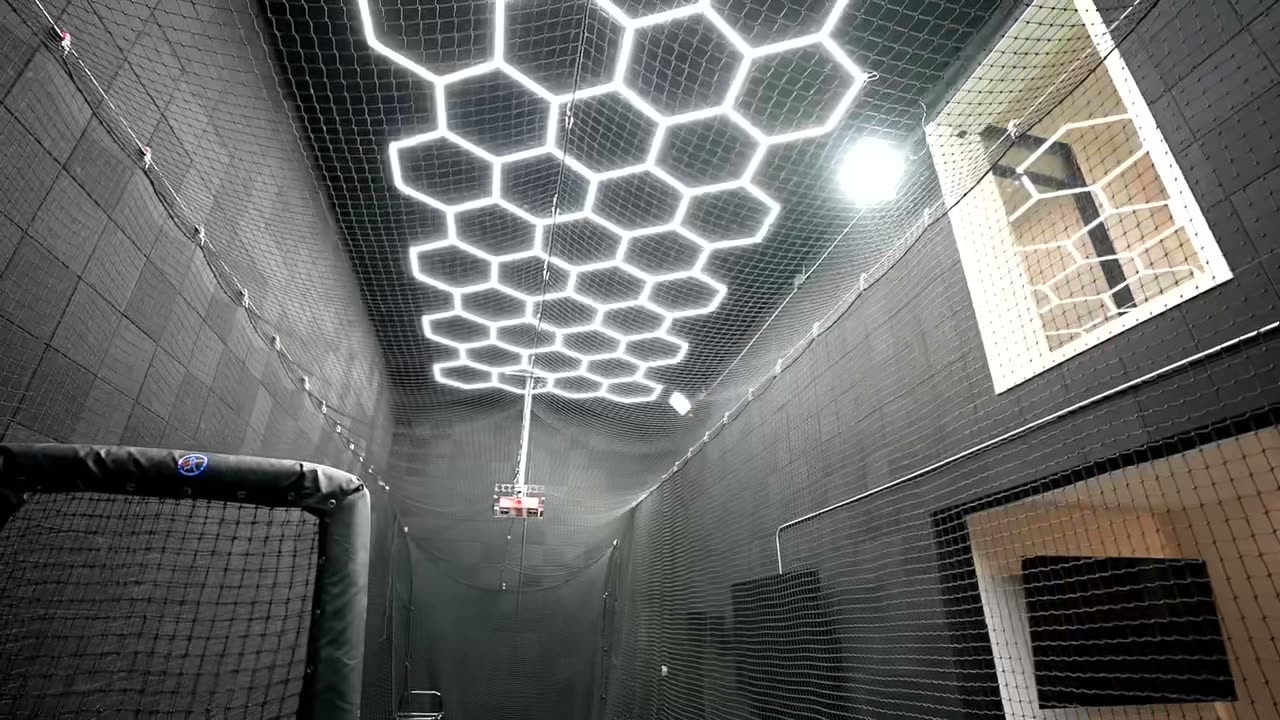
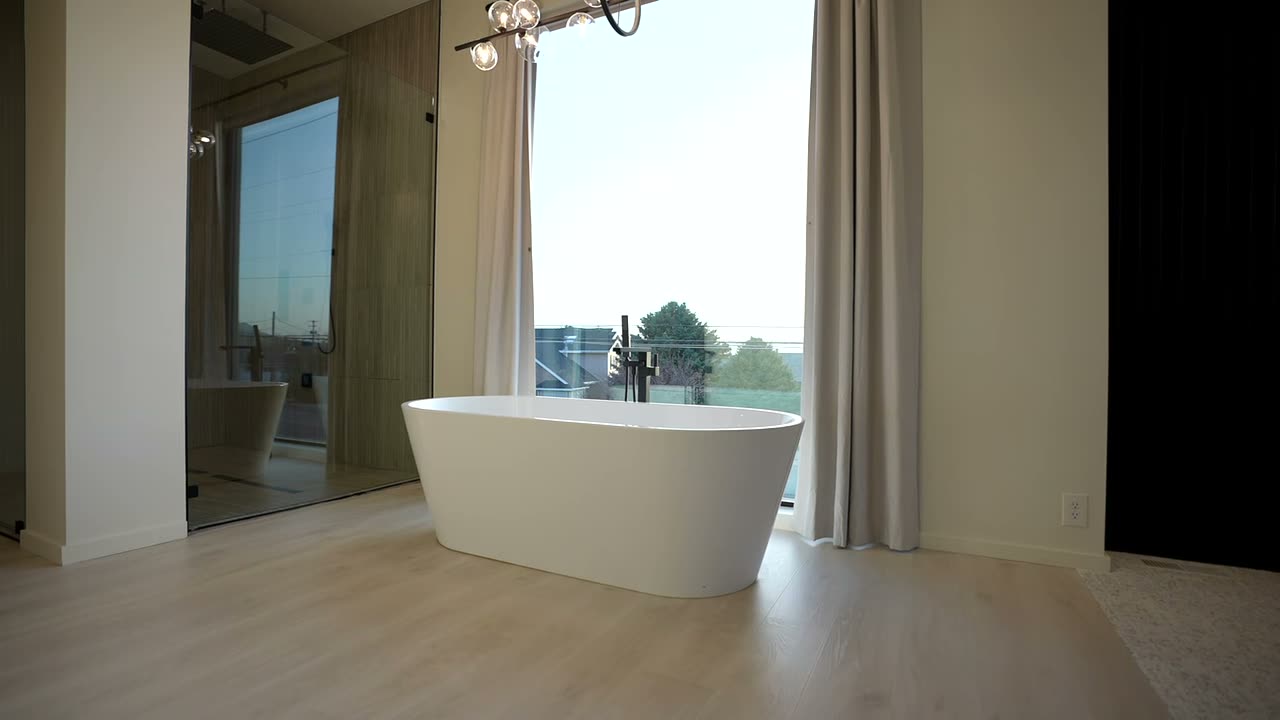
Blackbird is based in Provo and works across Utah County. The photos below come from a Provo project. We label them that way on purpose.
Commercial property in Eagle Mountain?
Building new, remodeling a building you own, or fitting out space for a tenant? The schedule and the permit path are different. We keep all of that on its own page.
Commercial contractor in Eagle MountainQuestions
Nearby
Eagle Mountain sits on the far west side of the county. The cities on the other side of Utah Lake build very differently.
Blackbird's home city. Older houses, a big student rental market, and bench lots up against Rock Canyon.
Building in Provo →Mid century houses on old orchard ground. Most are now on their second big remodel.
Building in Orem →A pioneer era downtown, plus fast new growth out toward the valley floor.
Building in Springville →City owned power, sprinkler water on its own city pipes, and real canyon wind at the mouth of US-6.
Building in Spanish Fork →One acre lots by default, a bench built of rock washed out of the canyons, and the CE-1 critical environment zone.
Building in Mapleton →A basement, an addition, a back yard, or business space. The first talk is free, and it is with Danny.
Or call or text (385) 334-5658