Home / Service areas / Springville
Construction · Springville, UT
Springville holds one of the largest historic districts in Utah County. It also holds some of the county's fastest new growth, often within a mile of it. The two need very different builders. Danny Bird has been building since 2001.
The local picture
Springville was settled in September 1850 and incorporated in 1853. It was first called Hobble Creek. The creek still cuts across the middle of the original town site, mostly in an open channel. The National Register nomination calls that an unusual feature for a built-up Utah town.
That old core is big. About 7 percent of Springville's housing was built before 1940. That is roughly seven times the share in Orem. Even so, the median year built citywide is 1996, newer than Orem's, because the 2000s were the city's biggest building decade. The population went from 20,424 in 2000 to 35,268 in 2020. The regional projection puts it near 48,500 by 2030, with growth heading west and south.
So one job here can be a listed brick house from the 1890s a few blocks off Main Street. The next can be a 2004 subdivision house out toward I-15. The permits, the review, the ground, and the risk are all different. Springville is also genuinely known as Art City. The name comes from a city art collection that goes back to the 1920s, and from the Springville Museum of Art. That collection started in 1903, and the museum building was dedicated in 1937.
Permits and approvals
This is one of the easier cities in the county to plan around, as long as what you turn in is complete.
The first residential plan review runs within 14 business days. The first commercial review runs within 21. Corrections you send back are usually rechecked within about 3. Reviews are first come, first served, and only complete applications get in line.
Permits come from the Building Division inside Community Development on South Main Street. You apply through the City Inspect portal. Book inspections about 48 hours ahead, in a morning or afternoon window. The city does not offer same day inspections.
Property up the canyon permits through the Utah County Building Department instead. Anyone who quotes canyon work as a Springville permit has not done it before.
The city says it plainly. Start work without a permit and the permit fee doubles. You also get a red tag that stops the job. It is a costly way to save a week.
The ground
These come from the city's own general plan environment chapter. Note that the chapter is dated 2011, and it flags its own sensitive lands sections as needing an update.
Liquefaction is when soaked, sandy soil acts like a liquid during an earthquake. The general plan states the city has generally not permitted basements in areas of high liquefaction potential. That potential is highest on the west side toward Utah Lake, where the soil is sandy and soaked with water.
One follows the eastern boundary of the city. The other breaks from the foothills and runs north to south through the western half of Plat A. The plan recommends a geotechnical study, which is a soil test by an engineer, as building happens near them.
West Springville is mostly silty clay, silty clay loam, and silt loam. The foothills are mostly stony loam and loam. They act differently under a footing, and they drain differently.
Steep ground along the foothills and at the mouth of Hobble Creek Canyon carries more risk of landslides, rock falls, and debris flows. The hillside overlay is described as barring building on slopes over 25 percent.
What we get called for
Blackbird does homes and business space. We start at the first budget talk and stay to the last walkthrough.
Remodels and additions on older brick houses in the original Plat A. We read the city's design pattern book and sort out the landmark review up front, not at the counter.
The city's biggest building decade was the 2000s. Those houses are simple to work on and were often built to a price. That makes them good candidates for adding real space.
A finished lower level is great value per square foot. On the west side, though, it is a question to answer before you buy. We would rather check that with you early than price a basement you cannot have.
New homes out toward the west and south. We price them against the real lot, including site work, drainage, and the utility hookups through the city.
New space and remodels along Main Street and the business corridors. That includes lining up the electrical service, which runs through the city's own power utility.
Covered patios, decks, and outdoor kitchens. We handle the grading, the drainage, and the sprinkler water hookup rather than leaving it to you.
Every service, in Springville
Blackbird sorts ten services into plan, build, and improve. In Springville the planning services earn their keep early. Whether a lot can take a basement is a question to answer before you make an offer, not after.
We check whether the job can work. We settle what is included. Then we plan it, before anyone draws it.
A line by line budget for Springville labor, materials, and site work. You get it before you commit to anything.
Someone on your side who checks the builder's work and your bills. We read the plans and the bids too. No hammers, just your side of the table.
We draw the plans and build it too. Design, budget, permits, engineering, and building all sit under one contract. One place to call, and one place to point.
New custom homes on Springville lots. We price the house against the real site before the drawings are done.
New space, remodels, and add-ons for Springville businesses and building owners.
Apartments, townhomes, and condos. We start with the first look at whether the numbers work, and finish at the certificate of occupancy.
Whole house remodels, additions, and structural changes. Springville houses run from 1890s brick in the historic core to 2000s framing on the edges.
Bedrooms, baths, kitchens, theaters, and gyms in space you already own.
Covered patios, porches, decks, and outdoor kitchens. We do the grading and drainage that make a yard work.
Recent work
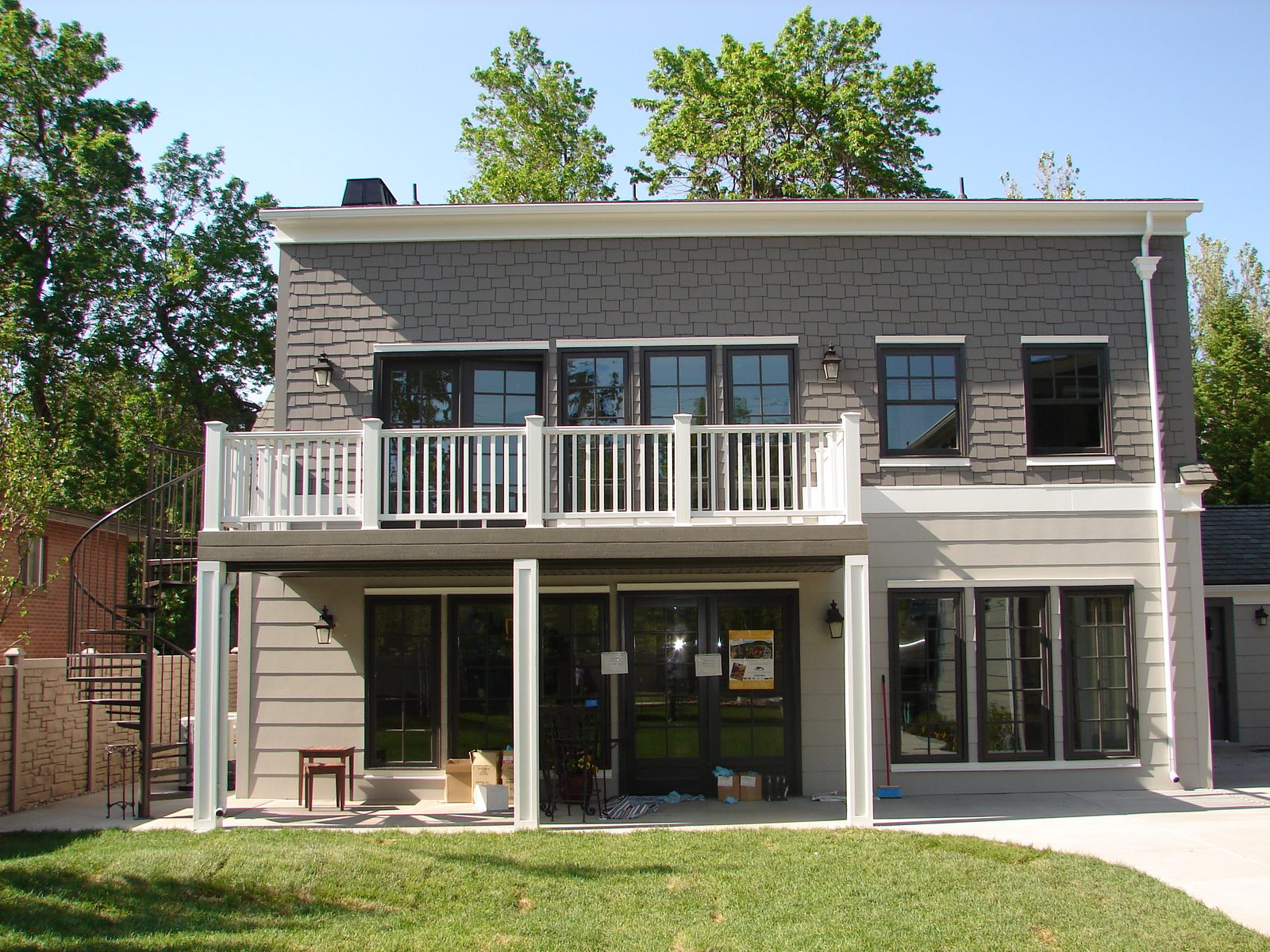
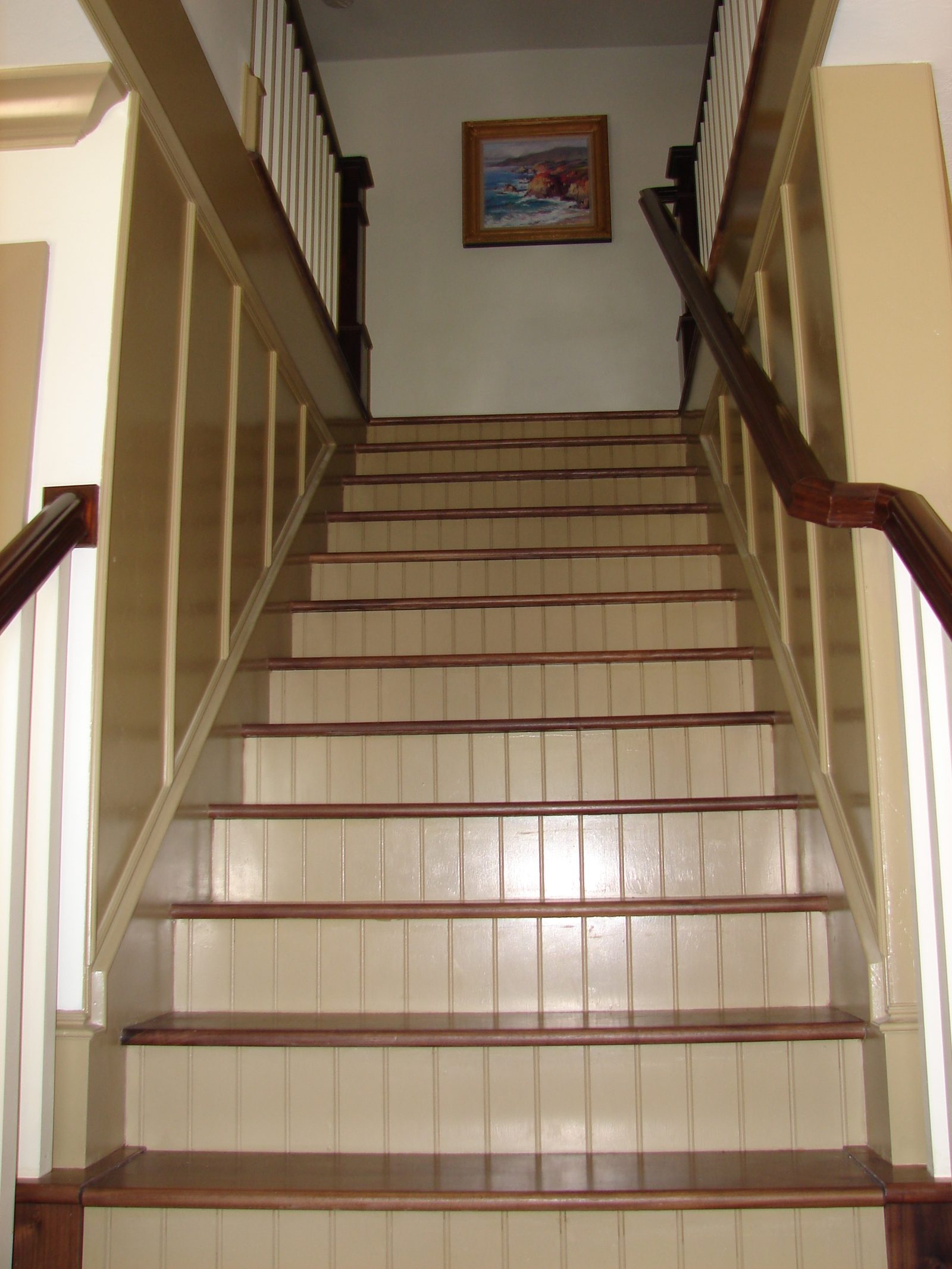
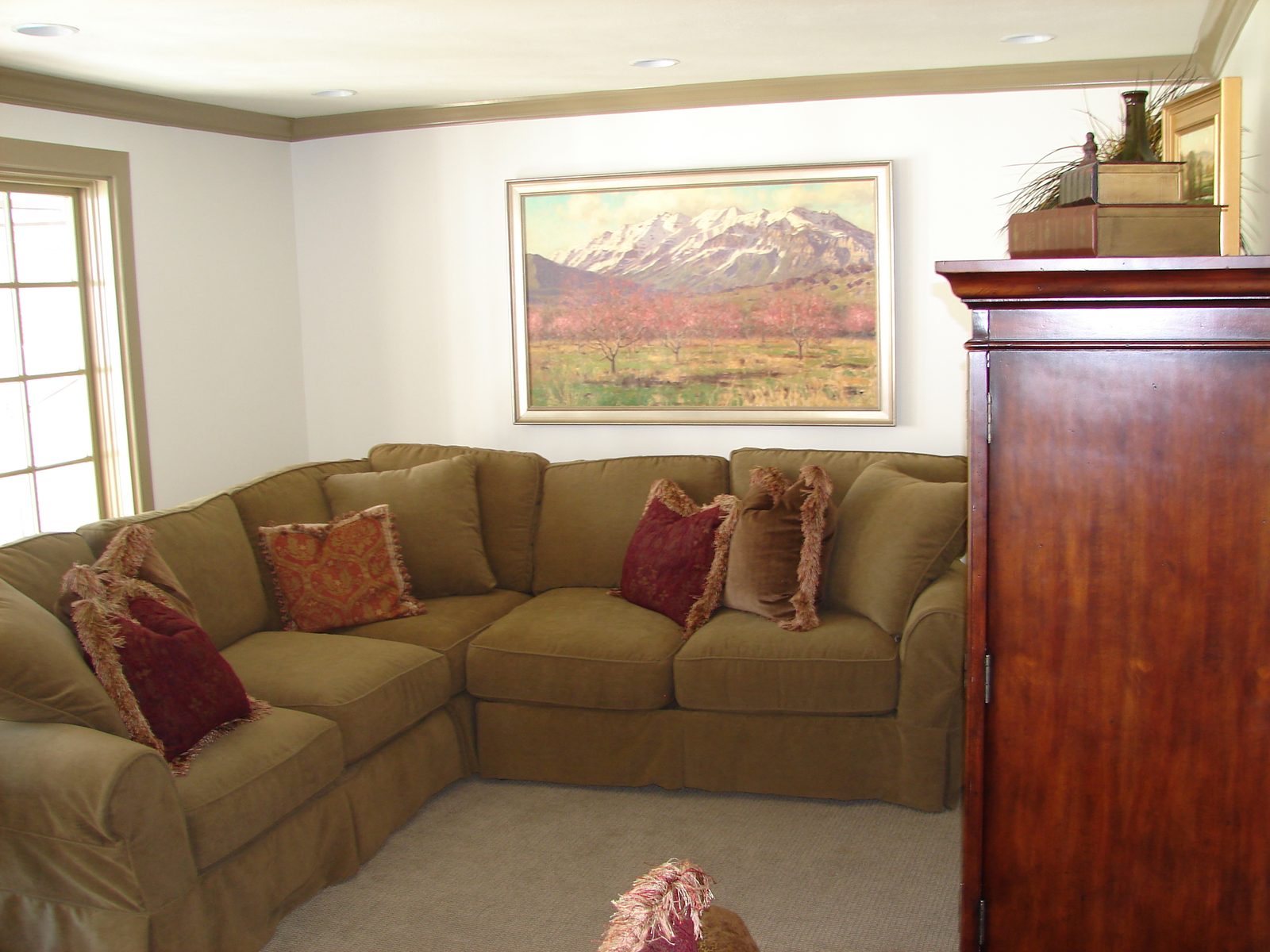
Blackbird is based in Provo and works across Utah County. The photos below come from a Provo project. We label them that way on purpose.
Commercial property in Springville?
Building new, remodeling a building you own, or fitting out space for a tenant? The schedule and the permit path are different. We keep all of that on its own page.
Commercial contractor in SpringvilleQuestions
Nearby
Springville sits between Provo and Spanish Fork, with Mapleton on the bench just east. Every one of them runs permits, water, and power its own way.
Blackbird's home city. Older houses, a big student rental market, and bench lots up against Rock Canyon.
Building in Provo →Mid century houses on old orchard ground. Most are now on their second big remodel.
Building in Orem →City owned power, sprinkler water on its own city pipes, and real canyon wind at the mouth of US-6.
Building in Spanish Fork →One acre lots by default, a bench built of rock washed out of the canyons, and the CE-1 critical environment zone.
Building in Mapleton →A city that barely existed in 2000. Almost all of it is new, and every sprinkler runs on drinking water.
Building in Eagle Mountain →A historic remodel, an addition, a basement, or a new house on the west side. The first talk is free, and it is with Danny.
Or call or text (385) 334-5658