Home / Service areas / Spanish Fork
Construction · Spanish Fork, UT
Spanish Fork is not a generic Utah County suburb. It owns its power. It runs its own sprinkler water. The wind out of the canyon is real enough that the state's first wind farm sits at the mouth of it. Danny Bird has been building since 2001.
The local picture
Spanish Fork was settled in 1851. The settlers turned the Spanish Fork River to water their fields right away, and that choice still shapes the city. The original grid near Main Street holds the oldest housing. Everything past it is newer, and a lot of it is much newer. The 2020 census counted 42,602 people, and the city has kept growing since.
That split matters more than it sounds. In the old grid, the houses have been added onto several times. Their wiring, plumbing, and framing all came before every current code cycle. Out on the newer edges, the houses are tract built and simple to work on. They usually need real space added, not repaired.
The city also carries some genuinely unusual history. Spanish Fork was the site of the first permanent Icelandic settlement in the United States. That immigration ran from 1855 into the early twentieth century. Today the city is also home to the Sri Sri Radha Krishna Temple, which hosts the Festival of Colors.
Permits and utilities
None of these are hard once you know them. All three cost time and money if you find out about them halfway through a job.
The Community Development Department and its Building Inspection Division handle permits from 40 South Main Street. You apply through the city's Citizenserve portal. Every Utah County city uses different software, and Spanish Fork's is not the one its neighbors use.
Spanish Fork Power is an electric utility the city owns. Temporary power, the meter set, and permanent service are all city work orders, not Rocky Mountain Power ones. The city also runs SFCN, its own broadband network, billed alongside water and power.
Pressurized irrigation is a second set of pipes that carries untreated water just for sprinklers. Spanish Fork put one in citywide in 2002. It is fed by canal company shares the city holds, plus water rights in the Spanish Fork River, Dry Creek, and city wells. Landscape and site plans get designed around it.
Resolution RES 21-18 covers water that gets handed to the city when land is developed. If your project creates new lots or new demand, that duty is part of the real cost. It should show up in the budget early.
Site conditions
Spanish Fork runs from the canyon mouth down toward Utah Lake. The two ends of that are not the same building site.
The east side of town sits closer to the mountain front and the canyon. The west and north sides fall away toward Utah Lake and the valley floor. Foundation, drainage, and site work costs move with that, sometimes by a lot.
Liquefaction is when soaked, sandy soil acts like a liquid during an earthquake. The Utah Geological Survey and the USGS made a liquefaction potential map for Utah County. It pairs ground slope with what sits below the surface. Lower ground nearer the lake is where the question gets real. A geotechnical report, which is a soil test by an engineer, answers it. Guessing does not.
The UGS publishes a geologic map of the Spanish Fork quadrangle. It covers the city and the Wasatch Range next to it. That is a fair first look at what a lot sits on, before anyone spends money on design.
Utah's first utility-scale wind farm was dedicated at the mouth of Spanish Fork Canyon in 2008. It has nine turbines and roughly 18.9 megawatts. That tells you how exposed this end of the valley is. It shows up in roof fastening, flashing, and how outdoor structures get anchored.
What we get called for
Blackbird does homes and business space. We start at the first budget talk and stay to the last walkthrough.
New custom homes in the neighborhoods spreading out from the old grid. We price them against the real lot, site work and utility hookups included, before the drawings are final.
Houses near Main Street that have already been added onto once or twice and need it done properly this time. Structural work, not cosmetic work.
New space, remodels, and add-ons for businesses along the Main Street corridor and out toward US-6. Because the city owns the power, the service hookup runs through city hall.
Covered patios, pergolas, and outdoor kitchens anchored for the wind this end of the valley actually gets. We tie them into the city sprinkler water rather than fight it.
Townhomes and apartments. We price in the water you have to hand over under RES 21-18 from the start, rather than find it at plat.
Already have a builder and a set of bids? Danny can check them for you as an outside third party. He reads the numbers on your behalf. No hammers, just your side of the table.
Every service, in Spanish Fork
Blackbird sorts ten services into plan, build, and improve. Most Spanish Fork projects start in the first group. That is where the money is saved or lost.
We check whether the job can work. We settle what is included. Then we plan it, before anyone draws it.
A line by line budget for Spanish Fork labor, materials, and site work. You get it before you commit to anything.
Someone on your side who checks the builder's work and your bills. We read the plans and the bids too. No hammers, just your side of the table.
We draw the plans and build it too. Design, budget, permits, engineering, and building all sit under one contract. One place to call, and one place to point.
New custom homes on Spanish Fork lots. We price the house against the real site before the drawings are done.
New space, remodels, and add-ons for Spanish Fork businesses and building owners.
Apartments, townhomes, and condos. We start with the first look at whether the numbers work, and finish at the certificate of occupancy.
Whole house remodels, additions, and structural changes. We work in the older Main Street grid and in the newer neighborhoods on the edges of town.
Bedrooms, baths, kitchens, theaters, and gyms in space you already own.
Covered patios, porches, decks, and outdoor kitchens. We do the grading and drainage that make a yard work.
Recent work
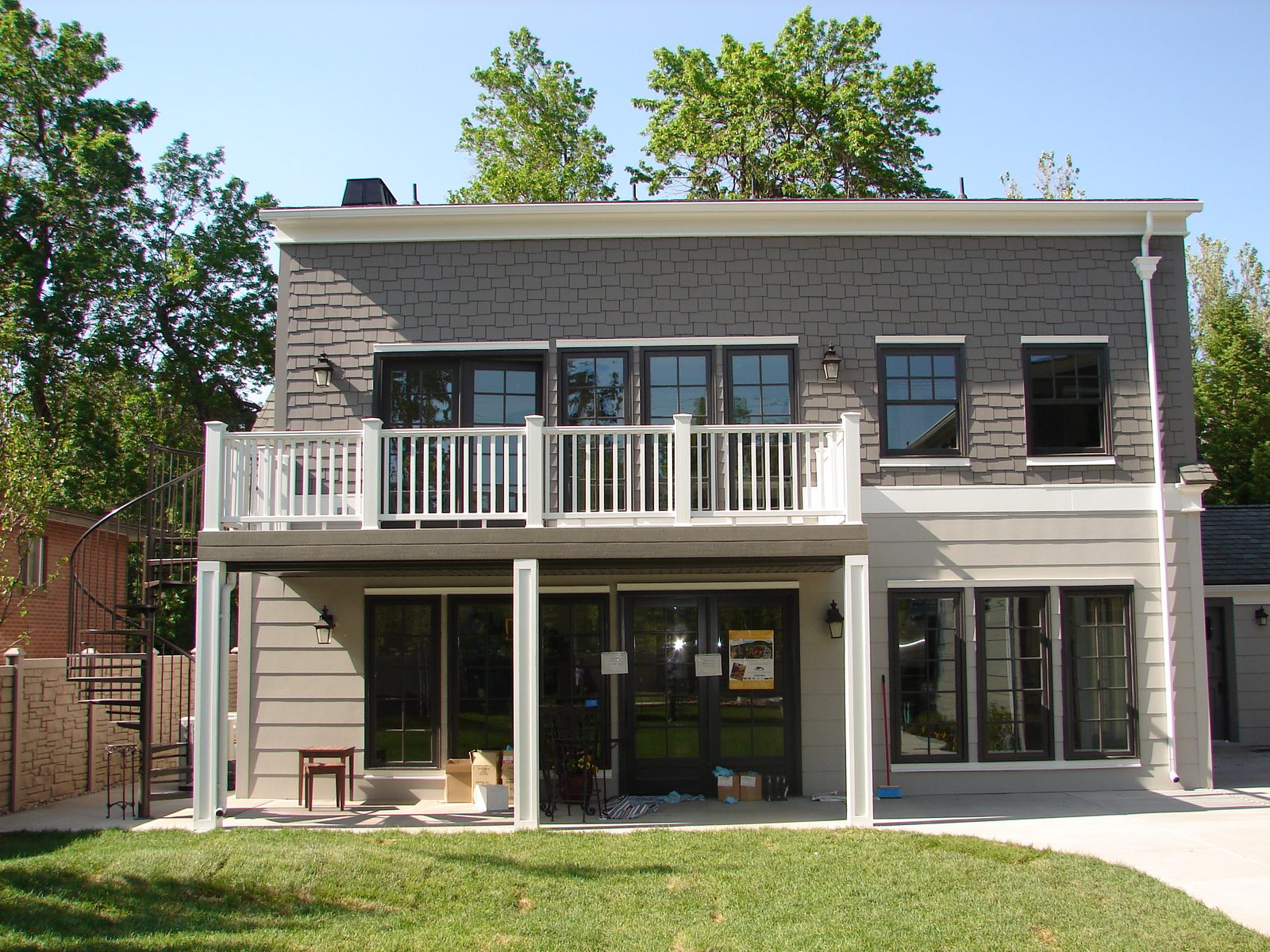
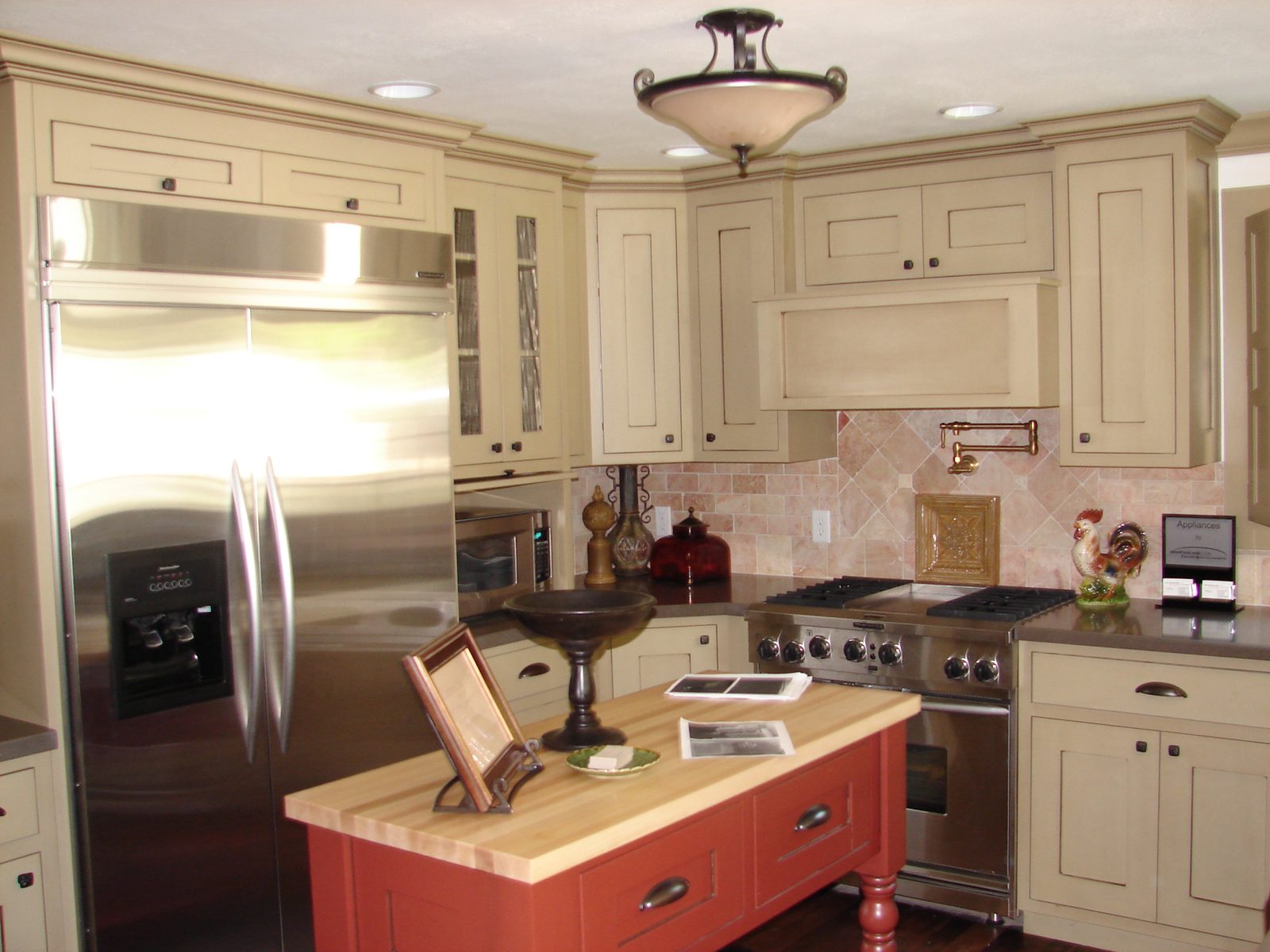
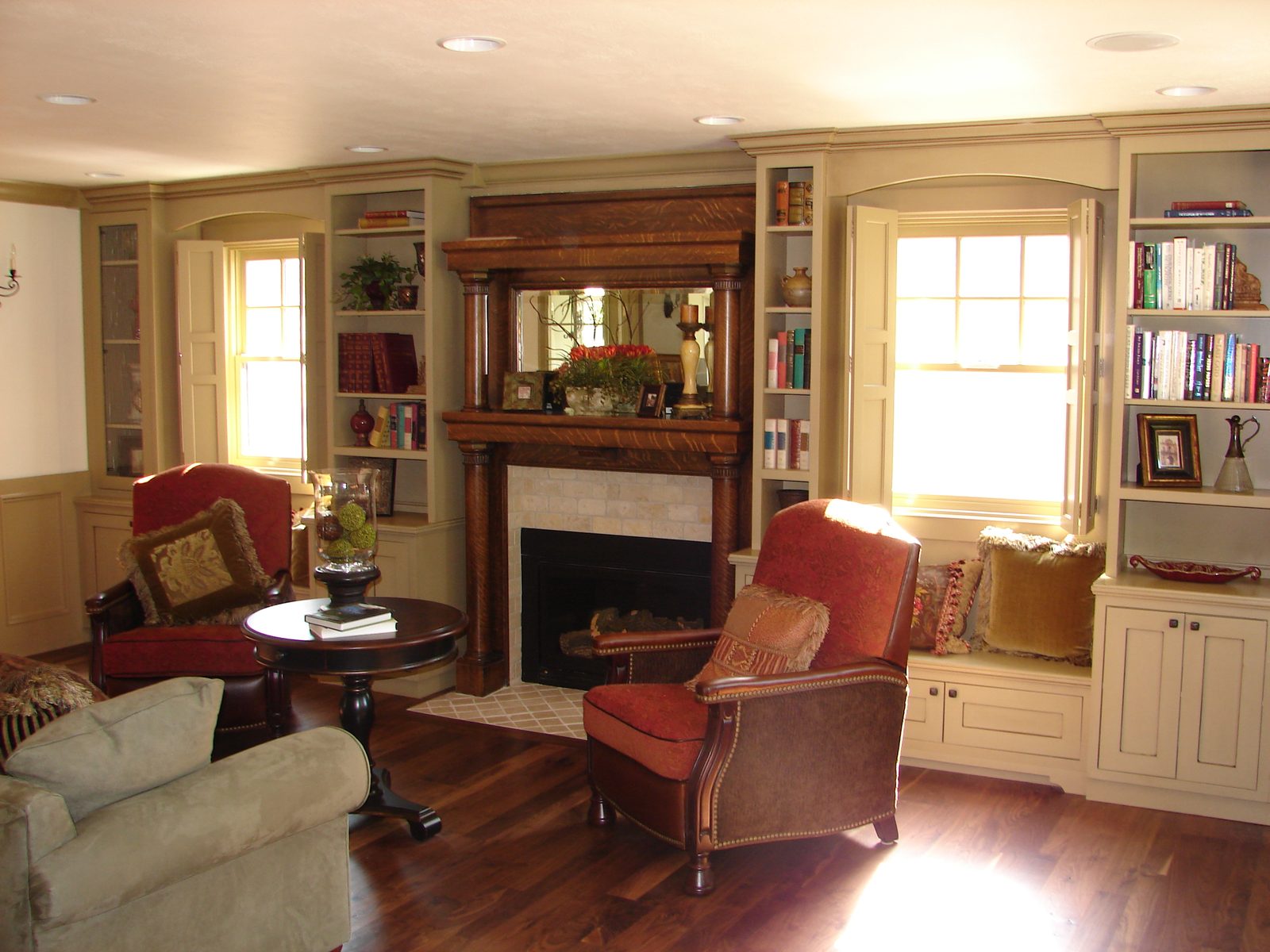
Blackbird is based in Provo and works across Utah County. The photos below come from a Provo project. We label them that way on purpose.
Commercial property in Spanish Fork?
Building new, remodeling a building you own, or fitting out space for a tenant? The schedule and the permit path are different. We keep all of that on its own page.
Commercial contractor in Spanish ForkQuestions
Nearby
Spanish Fork sits at the south end of Utah County. Each of these cities handles permits, water, and power its own way.
Blackbird's home city. Older houses, a big student rental market, and bench lots up against Rock Canyon.
Building in Provo →Mid century houses on old orchard ground. Most are now on their second big remodel.
Building in Orem →A pioneer era downtown, plus fast new growth out toward the valley floor.
Building in Springville →One acre lots by default, a bench built of rock washed out of the canyons, and the CE-1 critical environment zone.
Building in Mapleton →A city that barely existed in 2000. Almost all of it is new, and every sprinkler runs on drinking water.
Building in Eagle Mountain →Bring a lot, a set of plans, a building you already own, or nothing but a number. The first talk is free, and it is with Danny.
Or call or text (385) 334-5658