Home / Service areas / Mapleton
Construction · Mapleton, UT
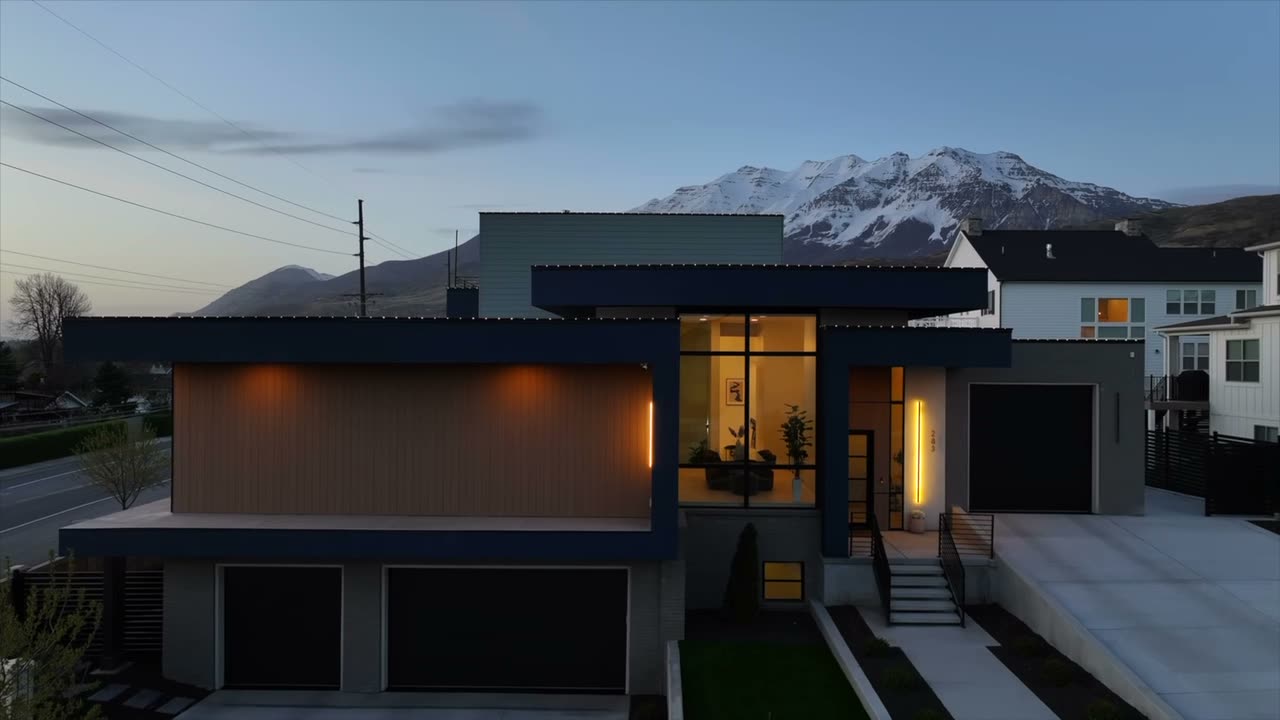
Mapleton is a big lot bench town by ordinance, not by accident. That changes what you can build, where you can build it, and how much engineering happens before anyone breaks ground. Danny Bird has been building since 2001.
The local picture
Mapleton counted 11,365 people in the 2020 census. That is a fraction of the size of Spanish Fork next door. It is not an accident of geography. It is written into the development code.
The base home zone is Chapter 18.32, RA-1. Its title reads Residential Agricultural, One Dwelling Unit Per Acre. The city also runs a Transferable Development Rights program. Its stated purpose includes preserving the Mapleton bench from development. You can fit more homes per acre with TDR certificates. The starting point is still one acre.
For an owner, that means two things. Lots here are big, so an addition can usually go sideways instead of up. Sideways is almost always the cheaper direction. And the bench lots people want most carry the most engineering. That comes from Chapter 18.30, the CE-1 Critical Environment Zone.
Approvals
Mapleton's process is not unusually slow. It is unusually specific about engineering. Know that before you fall in love with a hillside lot.
The Community Development Building Division issues permits. The city states that applications must go through its online program, not over the counter.
Chapter 18.30, the Critical Environment Zone, sets the rules on the bench. A licensed civil engineer has to sign the grading plan. The city engineer has to approve it before any grading, filling, or excavation. Plants have to be kept where possible, and you have to replant and control erosion.
Subdivision plats inside the zone carry notes. They state the subdivision is in a geologically sensitive area with potential hazards present. That wording follows the property, so it shows up again when you sell.
Mapleton publishes Public Works Design Standards, most recently dated December 2023. They cover how site and utility work has to be built. They are separate from the building code, and they govern the site side of a job.
Ground conditions
This is one of the most thoroughly studied pieces of ground in Utah, which is genuinely useful. You are not guessing here.
URS Corporation and the Utah Geological Survey dug a deep trench in Mapleton, about eight miles southeast of Provo. It exposed roughly 11,000 years of earthquake history on the Wasatch fault.
The trench documented at least five separate surface faulting events on the graben faults. It also showed more than ten feet of vertical offset across two events on one strand, between about 5,000 and 11,000 years ago.
One event roughly 600 years ago created a scarp at least twenty feet high. A scarp is the step in the ground a fault leaves behind. In geologic terms that is very recent. It is why earthquake detailing on a Mapleton house is not a formality.
The trench site sits on fan sediment, mostly debris flow deposits out of Big Slide Canyon. The bench is built of material that came off the mountain fast. Foundations and drainage get designed for that.
What we get called for
Blackbird does homes and business space. We start at the first budget talk and stay to the last walkthrough.
New homes where the site work, the grading plan, and the engineering get priced honestly at the start, rather than discovered at excavation.
If the parcel falls in CE-1, the engineering and the approvals are the project for a while. We would rather walk the lot with you before you buy it than price around a problem afterward.
Mapleton lots usually have room. Going out is almost always cheaper than going up, and on a big lot you rarely have to fight setbacks to do it.
One acre lots mean shops and barns come up often here. In Orem or Provo they rarely do.
Covered patios, decks, and hardscape on ground that falls away. Retaining walls, drainage, and grading are part of the design, not an afterthought.
Already have plans and bids for a Mapleton project? Danny can check them for you as an outside set of eyes. That is often the cheapest money an owner spends.
Every service, in Mapleton
Blackbird sorts ten services into plan, build, and improve. On a Mapleton bench project the planning services matter more than anywhere else in the county. The engineering comes first.
We check whether the job can work. We settle what is included. Then we plan it, before anyone draws it.
A line by line budget for Mapleton labor, materials, and site work. You get it before you commit to anything.
Someone on your side who checks the builder's work and your bills. We read the plans and the bids too. No hammers, just your side of the table.
We draw the plans and build it too. Design, budget, permits, engineering, and building all sit under one contract. One place to call, and one place to point.
New custom homes on Mapleton lots. We price the house against the real site before the drawings are done.
New space, remodels, and add-ons for Mapleton businesses and building owners.
Apartments, townhomes, and condos. We start with the first look at whether the numbers work, and finish at the certificate of occupancy.
Whole house remodels, additions, and structural changes. Mapleton lots are large, so an addition usually has room to go sideways instead of up.
Bedrooms, baths, kitchens, theaters, and gyms in space you already own.
Covered patios, porches, decks, and outdoor kitchens. We do the grading and drainage that make a yard work.
Recent work
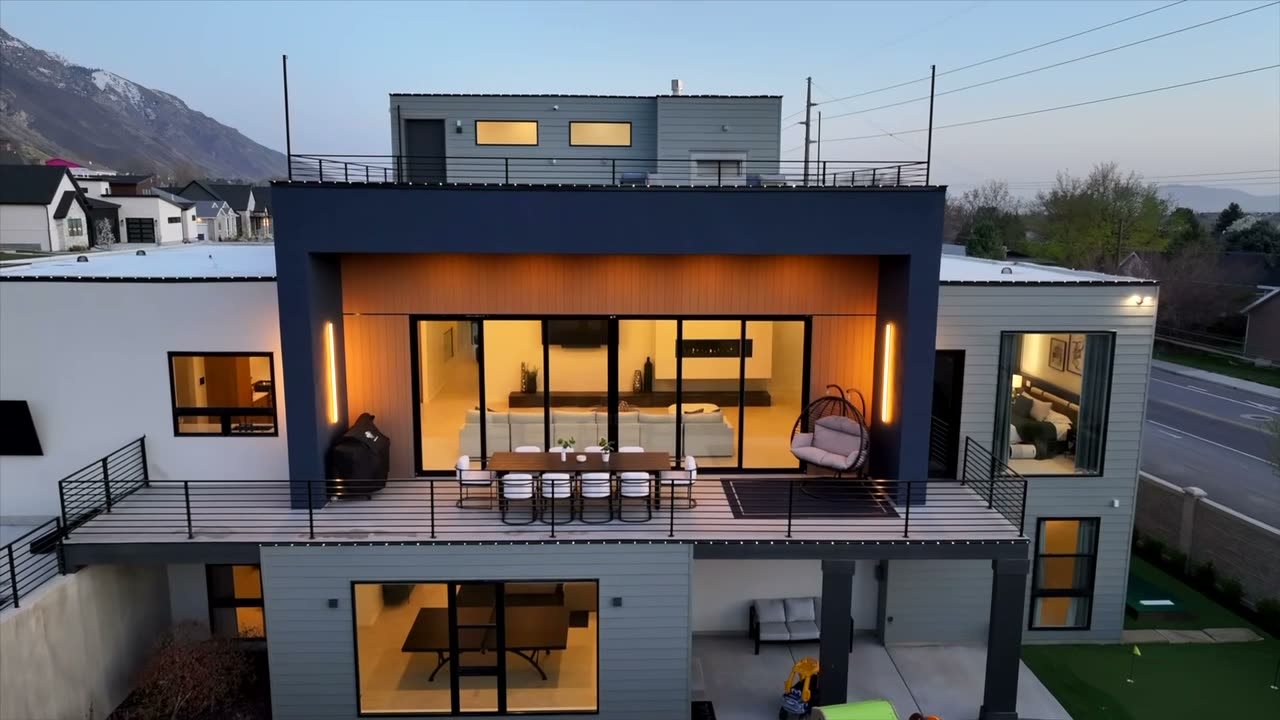
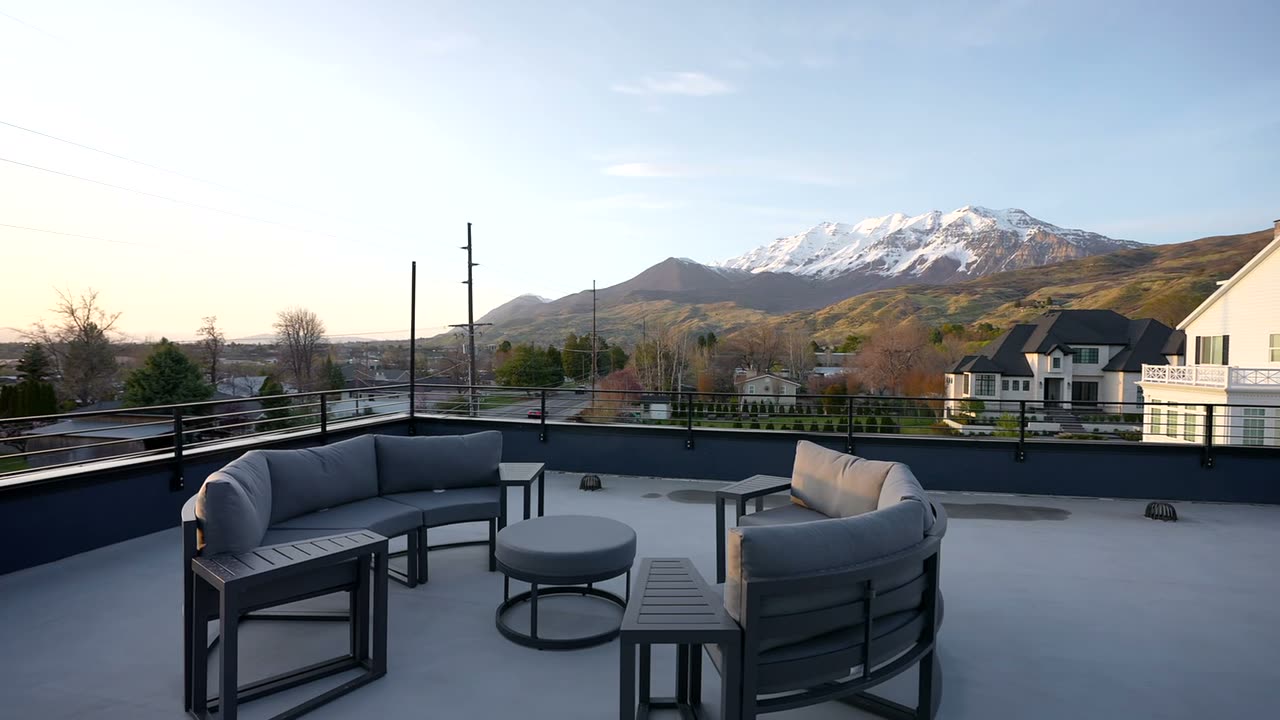
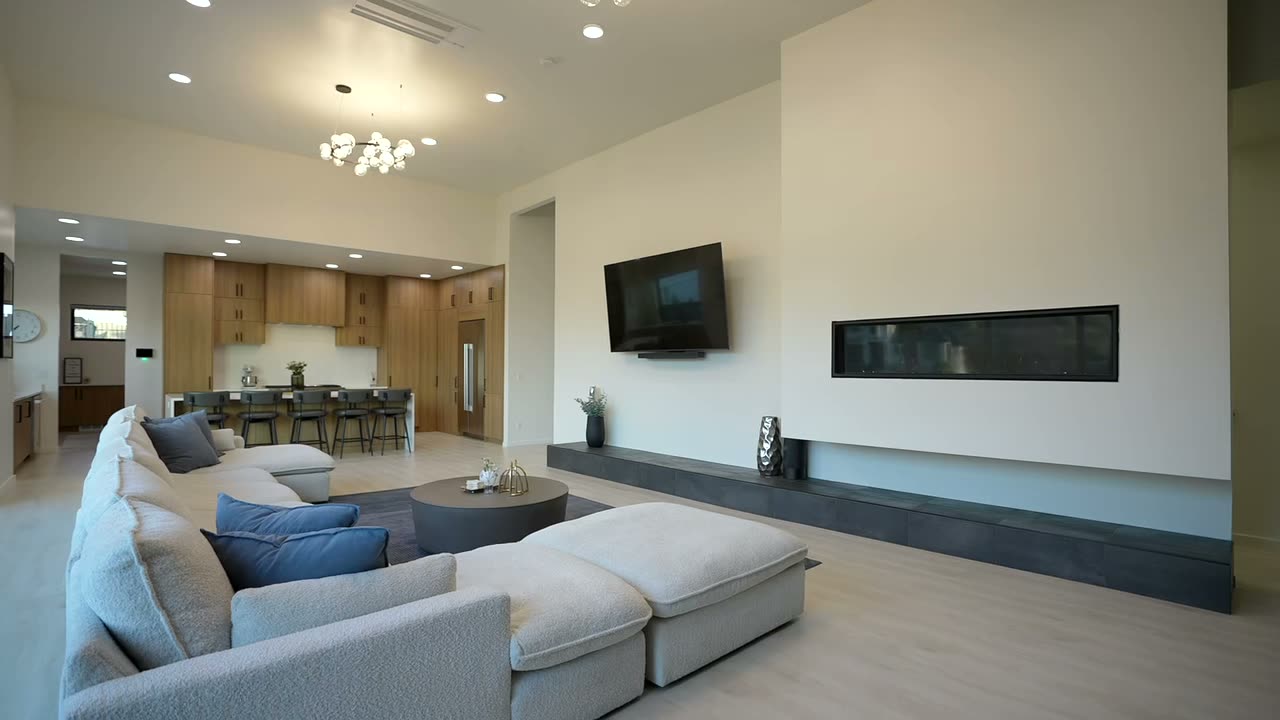
Blackbird is based in Provo and works across Utah County. The photos below come from a Provo project. We label them that way on purpose.
Questions
Nearby
Mapleton is a short drive from all of these. Every one of them runs its permits, water, and power its own way.
Blackbird's home city. Older houses, a big student rental market, and bench lots up against Rock Canyon.
Building in Provo →Mid century houses on old orchard ground. Most are now on their second big remodel.
Building in Orem →A pioneer era downtown, plus fast new growth out toward the valley floor.
Building in Springville →City owned power, sprinkler water on its own city pipes, and real canyon wind at the mouth of US-6.
Building in Spanish Fork →A city that barely existed in 2000. Almost all of it is new, and every sprinkler runs on drinking water.
Building in Eagle Mountain →Bring a lot, a set of plans, or nothing but a number. If the lot is on the bench, bring it early. The first talk is free, and it is with Danny.
Or call or text (385) 334-5658